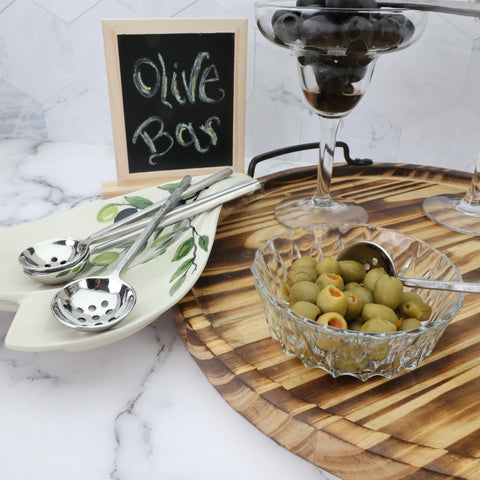
When staging a dinner party, planning a wedding reception, or simply gathering the family around the table for a weeknight meal, we place a massive amount of focus on the food. We source organic ingredients, obsess over flavor profiles, and carefully select the perfect vintage of wine. Yet, when it comes to the very tools used to transport that food to our mouths, we often settle for standard, uninspired utility.
We have all dined at tables set with mass-produced, machine-stamped cutlery—pieces that feel weightless, feature razor-sharp, unpolished edges, and lack any structural soul. In the modern design landscape, hosts are moving away from sterile uniformity and embracing pieces with character. In the debate of handmade flatware vs factory-made silverware, understanding the structural, ethical, and aesthetic differences can fundamentally change how you view your daily dining rituals.
What is the Quick Verdict?
There is a weighty difference between factory-made and handcrafted silverware. The reason is that while factory made pieces are cheap alternatives that are mass produced for efficiency, they're worth little in terms of emotional weight, proper weight distribution, longevity, etc.; on the other hand, artisan premium level pieces will feel heavier in hand (due to fire-forging density) and carry a higher degree of unique tactile personality which transforms each meal into an intentional dining experience.
What Are the Golden Rules for Handcrafted Cutlery?
- Identify Fire-Forged Density: True handmade table settings are fire-burnt and hammer-created which makes them denser and more rust resistant than a flat stamped metal plate.
- Recognize Minor Variances: The small imperfections of a hand hammered dimple or fire-charred handle can serve as evidence of the master blacksmith.
- Invest In Generations: Use artisan table setting as an heirloom investment and it will develop a beautiful home-cooked patina developed by the use of families over many years.
How Are Silverware Made?
How Manufacturing Methods Dictate Lifetime Performance
To truly appreciate why a piece of cutlery feels the way it does in your hand, we have to look behind the curtain at how it was brought to life.
Factory-Made Silverware: The Clinical Stamping Process
The vast majority of present-day silverware is made using cold-stamped machines. Giant, uniform sheets of stainless steel are fed into industrial presses that punch out thousands of identical spoon and fork blanks per hour.
- The Problem: Because the metal is not subjected to heating or handle compression, it retains a uniform, thin density. Often, this means that the edges are mechanically shaved smooth, leaving a sharp, clinical feel against the lips, and the handles droop very quickly when pressed by the firm densities of cold butter or ice cream.
Handmade Artisan Flatware: The Ancient Art of Forging
True artisan flatware is made using heat, iron, muscle and hammer. A master blacksmith heats steel in a molten forge until it glows red-hot, then shapes it by hand with a hammer on an anvil.
- Benefits: Intense thermal compression on the steel rearranges and creates an extremely dense, extremely heavy and structurally unbendable steel. Each individual transition point (the neck to the bowl) is hand tapered with tremendous attention to ergonomics and balance which cannot be replicated through machine automation.
Why Does Weight Matter?
When you pick up a piece of silverware that is manufactured in a factory, you will notice that it is typically lightweight, off-balance, and/or top heavy due to the fact that the entire piece has been pressed out of the same sheet of metal, therefore it has the same amount of metal in both the handle and spoon bowl (fork tines). Because of this type of construction, the utensil feels awkward and/or unpleasurable when used.
In contrast, blacksmiths shape the individual pieces of handmade artisan silverware by using their hands and therefore, for the purpose of weight distribution, the blacksmith can contour the metal along the length of the utensil to where it belongs. Artisan silverware is therefore heavy and wide on the handle to establish a large, stable counterpart for your hand, while tapering elegantly at the neck and finishing at the eating end/point of the utensil where it has a very thin, light, comfortable finish. This varied distribution of weight creates the perception of an "authoritative" piece of equipment with a balance that makes cutting, scooping, and eating much simpler than it would be if using mass produced flatware.
How Do You Care for Your Silverware?
There is a popular misconception that artisan flatware must be washed exclusively by hand and have specialized chemical polish due to its ‘premium’ status; however, in practice this is not true at all.
- It is completely safe to put forged stainless steel flatware (18/8 or 18/10) into the dishwasher since it does not contain any low-grade lacquer coatings or synthetic colors that would be likely to break down in hot water.
- Also handmade handles usually have raw and/or hammered textures, at times the hard water mineral deposits can build-up in the caverns created from these finishes during a dry heat cycle (drying can also cause additional deposits) so just by wiping the area with a cloth with some olive oil or white vinegar will bring the luster of the metal back quickly.
- To help extend the life of your investment, do not allow heavily acidic foods (tomato sauce, lemon juice, mustard) to remain on your flatware overnight before washing them.
Why Choose Inox Artisans?
At Inox Artisans, we forge our tools to preserve memories—not just open up an empty drawer! Multi-generational blacksmithing, under the guidance of assisted craft artisans, keeps alive the ancient practice of hand-hammering metal work and brings life to each fork, knife, and spoon through art.
The "Material Dichotomy" concept reflects our commitment to excellence in all forms of material use and creation. We create pieces that have a raw, rustic look (unpolished, fire-charred, heavily distressed) for their handles (the part you hold), and have refined, mirror-polished, clean-cut ends (where you will actually eat) with a distinctly crisp design.
In each of our signature collections, Ridge, Himalayan, Braided, etc. you will feel an unbelievably solid and authoritative weight in each piece. You will find armless tines with hand-deburred edges, and smooth spoon wells that feel velvety to the fingers. When you purchase from Inox Artisans, you are not simply purchasing pieces of flatware; you are providing an authentic craft tradition that has been passed down from previous generations through time, directly at your dining table today.
FAQs
What is handmade flatware?
It is cutlery that has been individually shaped, hammered, and finished by human hands using traditional blacksmithing techniques, rather than being punched out uniformly by automated factory machinery.
Why is handmade flatware expensive?
It reflects the immense labor, elite material quality, and specialized skill required to produce it. Instead of a machine making thousands of pieces an hour, a blacksmith spends hours meticulously forging, grinding, and polishing a single set.
Is artisan flatware worth it?
Yes, absolutely. It is a lifetime investment. Aside from its stunning visual drama on a tablescape, the structural integrity and heavy ergonomic weight make it vastly superior to factory alternatives.
How long does handmade flatware last?
Because it is fire-forged from high-gauge stainless steel, a handmade set will easily last multiple generations, outliving dozens of flimsy, stamped supermarket sets.
Is handmade flatware dishwasher safe?
Yes. Premium hand-forged stainless steel sets are completely rust-resistant and dishwasher safe. Simply use standard, non-citrus detergents.
What makes artisan flatware unique?
Its unique soul lies in its intentional imperfections. No two spoons or forks are completely identical; each piece carries subtle variations in its hammered patterns, handle textures, and weight distribution.