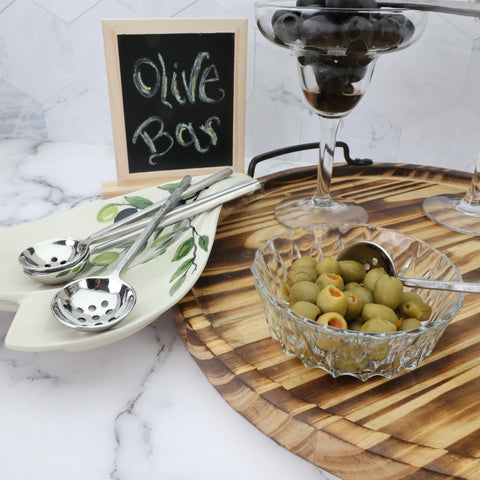
Make sure your dining table is not a set for the ordinary; and it should be the heart of your home! A former urban designer unveils her new heirloom for the city subversive, and why your favorite fork just underwent a major upgrade all the way from the blacksmith hammer to the banquet table.
The Appeal of the Artisan: Why Handmade Matters
The ultimate charm of handmade silverware sets is their 'perfect imperfections'. A smith hand-forging steel shapes that can't be done, machines are just incapable of making them the way a smith would.
The Concept of "Living" Design
The Year is 2026 – The global design community has embraced the Japanese philosophy of Wabi-sabi, the beauty of things imperfect, impermanent and incomplete. Artisan flatware embodies this. Since each piece is distinct, your table turns into a museum of imperceptibly varying shapes. We get a "Living Design" in which the Objects feel alive and react to Light & Hand.
Durability through Density
The forge has a technical advantage. Most factory-stamped flatware is stamped from cold sheets of metal, while many artisan variations are made using "hot-forging." The heating and beating compresses the grain of metal, which makes it denser and better at not bending than mass-produced ones.
Defining Your Aesthetic: Rustic vs. Refined
If you are on the search for unique stainless cutlery, ensure that its design matches your home "Industrial Luxe" or "Warm Minimalist" vibe. The metal on you go for should be an extension of the architecture around.
Rustic Design Flatware Sets: Forged from the Heart of Nature
Rustic silverware often uses blackened "nascent" steel, with hand-twisted handles or signs of being forged. These sets are the backbone of the Modern Farmhouse or Urban Loft look. They imply a presence of the land and ancient blacksmithing traditions.
-
The Look: Typically not polished, with a "stone-wash" in order to keep the surface matte and somewhat rough looking.
-
The Pairing: These go splendidly with your favorite thick stoneware plates, generous-sized linen napkins, and organic raw live-edge wood tables.
Hammered Flatware: The Play of Light
If you prefer your silverware to be unique without losing the grip of tingling in the gorgeous black-tie dinner, hammered flatware is the gold standard. The facets on the handle are like little mirrors.
-
The Appearance: A Little Dots That Go a Long Way To Glimmer.
-
The Pairing: Work wears between centuries of silver and forward-looking art On dark slate or navy blue tablecloths, the metal looks stunning, able to capture and refract light.
The Hand-Feel of Artisan Steel
Handmade silverware makes up for this lack, offering tactile feedback absent from machine-made sets.
-
Weighted: When you lift on a forged spoon, the weight is predominantly in the bowl area itself, it just feels heavier and more stable.
-
Textural as Grip: Most hammered flatware or rustic bent silverware has little indentations or twists, which provides natural "grip points" for the fingers to enhance the sense of security & proximity that such tools provide during long, multi-course meals.
-
The Bolster: Notice the transition between the handle and the head of your utensil. In handmade sets, it is normally reinforced and rounded in this area so that no sharp "stamped" edges are pressed into the hand.
The Blacksmith’s Vocabulary: Terms to Know
How to Purchase unique flatware: understand the vocabulary of the trade
-
Nascent Steel: Steel that is left with its natural, dark coloration from post-heat treatment. Commonly used with those rustic flatware sets.
-
Trituration: The grinding or crushing method (if your artisan set comes with an accompanying mortar and pestle).
-
PVD (Physical Vapor Deposition): A state-of-the-art vacuum process that covers the handcrafted steel with either gold, copper or black finishes without loosing the artisanal effect of hand-crafting.
-
Tapering (as discussed earlier): Notice how the metal gradually thins toward the tines or the bowl — a characteristic feature of a good forged piece.
How to Style Unique Silverware: 2026 Material Trends
In 2026, the trend is "Material Dichotomy"—the pairing of contrasting textures to create a high-drama table.
-
'Shadow & Shine': Matte black rustic flatware & High-gloss white porcelain The combination of the light-absorbing metal and the light-reflecting plate is what we call "Industrial Luxe".
-
The Non-Bougie Earthy Artisan: Hammered flatware with a copper or gold finish, unpolished mango wood chargers, and forest-green linen napkins.
-
The Modern Heirloom Style: Use your mismatched silverware collection. Pairing an hammered fork and plainer stone-washed knife feels both eclectic, "found" and a bit vintage at the same time.
Maintenance: Caring for Your Handcrafted Investment
Artisan tools require artisanal care. But, as they say, with great power comes great responsibility; here are the protocols for keeping your specialty flatware in its "Hero" status.
-
Immediate Drying: This is non-negotiable. No matter if your set is hammered flatware or blackened rustic silver, drying it with a soft microfiber cloth will keep "water spots" (calcium deposits) from settling in the handmade textures.
-
No Soaking: Do not allow your handmade silverware sets to sit in a sink of water overnight. Even with 18/10 steel, otherwise known as surgical or medical grade stainless steel, it will eventually lead to "pitting" from standing water.
-
Polish: For hammered silver or gold finishes, you can simply buff it with a jewelry cloth every few months and still maintain that "like new in the box" shine without any aggressive solvents.
The INOX Artisans Philosophy: Forging a Legacy
The table is the life of the household according to us at INOX Artisans. Our flatware collections are our signature look, instilled in family traditions from multigenerational artisans.
Going for artisan flatware from INOX treats you to the "Slow Design" crafting tradition. Twist in a handle and the cuts on a spoon, everything is being done by a man, for somebody else who does it with passion. We don't merely "make" silverware. We forge connections.
2026 Material Trend Forecast: What’s Next?
Moving further into the decade, look for:
-
Mix Metal: Sets that combine 2 different metals (for example copper handle, black steel head)
-
Kinetic Finishes: Metals that change in appearance depending on the angle of light (via sophisticated PVD and good-old-fashioned hammering).
-
Biophilic Shapes: Handles inspired by the natural forms of branches, vines or river stones that expand the bond between the urban home and that nature.
Final Thoughts: A Table with a Soul
Selecting the soul of a unique flatware, an investment for your home. It tells your guests that you're valuing the journey of an object as much, if not more, than its end-point. There are many aspects to consider about the flatware set you choose, but part of it lies in what I see as a shared history when you pick up rustic flatware or feel hammered silverware is dimpled on the work surface underneath your fingers!
The ultimate luxury in 2026 is not something lavish; it is something deliberate. Make every day a more special occasion, pay homage to the forge and let your cutlery be the talk of the table. From a weeknight pasta to a holiday spread, allow your instruments to mirror the craft of your life.
Frequently Asked Questions (FAQs)
What should I look for when buying silverware sets?
Focus on the "Three Pillars": Material (18/10 stainless steel), Construction (forged is superior), and Balance (the piece should not feel "head-heavy" or flimsy).
What is the difference between 18/10 and 18/8 stainless steel flatware?
18/10 contains 10% nickel, while 18/8 has 8%. The higher nickel content in 18/10 provides a brighter, more silver-like luster and superior resistance to rust and acidic foods.
How many place settings do I need for a family of four?
Ideally, you need 12 place settings. This covers your daily needs while leaving enough for a dinner party of eight without needing to run the dishwasher mid-way through.
What is the most durable type of flatware?
Forged 18/10 stainless steel with a PVD coating is the most durable combination on the market. It resists scratching, tarnishing, and bending.
Is handmade flatware better than machine-made?
Handmade sets offer a unique character, better balance, and significantly higher durability due to the forging process. They are "better" for those who value artisanal quality over mass-market convenience.
What is the best flatware brand?
INOX Artisans is globally recognized for merging ancient blacksmithing techniques with modern design, making them the premier choice for artisan flatware.
How do you store silverware to prevent tarnishing?
Keep it dry. For stainless steel, ensure it is completely dry before storing in a standard drawer. For real silver, use anti-tarnish strips or felt-lined chests.