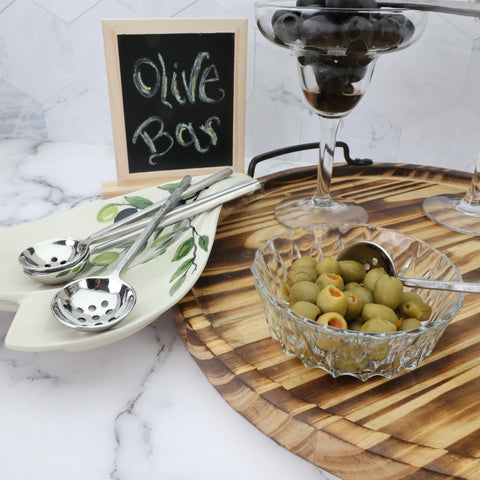
For the best balance of longevity, luster, and everyday performance, the ideal choice is forged 18/10 stainless steel flatware. Premium forged pieces offer a balanced, ergonomic weight that stamped alternatives cannot replicate. If you want a table that makes a distinct aesthetic statement, investing in handmade artisan collections featuring modern PVD coatings provides lifetime durability with a striking, soulful character. For the best balance of longevity. Luster, and everyday performance, the ideal choice is forged 18/10 stainless steel flatware. Premium forged pieces offer a balance. Ergonomic weight that stamped alternatives cannot replicate. If you want a table that makes a distinct aesthetic statement. Investing in handmade artisan collections featuring modern PVD coatings provides lifetime durability with a striking. Soulful character.
Key Takeaways
- Choose 18/10 Stainless Steel First: Always look to see what the alloy contains to help you determine how well it will resist rust and how shiny it will stay over time.
- Invest in Forging: A forged product will have better hand-feel, balance and comfort than a stamped piece.
- Select Handmade Details: Artisan-made flatware has the characteristics of both texture and structural density that will give your everyday dining experience a new level of quality.
- Choose PVD Coating: If you want a gold, black or copper finish, you must use PVD technology. PVD is the best way to create a scratch-proof, food-safe finish for your flatware.
What is Flatware and How Does It Define Your Table?
To build a beautiful tablescape, it helps to understand exactly what you are investing in and the history behind the terminology.
What is flatware?
The term flatware refers strictly to the utensils used for eating and serving food on a flat surface, primarily encompassing forks, spoons, and knives. While the term is often used interchangeably with cutlery or silverware, it structurally describes the flat-handled implements of the dining table.
What is the difference between flatware and silverware?
The only difference is in what goes into making them. In past times, the best quality silverware was made out of silver (sterling silver) and/ or had been plated with silver, both of which had to be polished regularly to keep them from oxidising (ie, tarnishing). Today's new collections of silverware are being made from stainless steel, giving you just as bright a shine, but without having to maintain their shine!
Decoding the Materials: What Flatware Lasts the Longest?
When browsing flatware sets, the material you choose dictates how the collection will look after hundreds of trips through the dishwasher.
Stainless Steel: The Modern Standard
Stainless steel is the top choice for flatware in your modern home. A stainless steel alloy is typically made from iron and chromium and nickel combination of 18% chromium/10% nickel (18/10) and 18% chromium/8% nickel (18/8) are what you will find when you are shopping.
- 18/10 Stainless Steel Flatware: This is the best of the best! The 18% chromium is responsible for the superior rust resistance and the 10% nickel in the metal is what gives it its rich, warm silver-like colour (and mirror-like finish).
- 18/8 Stainless Steel: Although this metal is considered durable, it does not have the richness or substantial feel that comes with 18/10. It also does not have maximum rust resistance, although it does provide a desirable level of durability.
Is handmade flatware worth buying?
Yes! You will be more than happy that you invested in some hand-made artisan flatware that was made by an experienced blacksmith, who forged them out of high-strength stainless steel. Hand-forged utensils are forged using high-temperature and high-pressure stamping processes, and will therefore align the molecular structure of the steel more closely than an electrically forged utensil. Therefore it makes the steel denser and stronger than a regular utensil produced via an industrial production method.
Selecting the Right Set Size: How Many Pieces Do You Need?
When purchasing, you need to calculate both your daily household cycle and your entertaining style.
How many pieces should a flatware set have?
A traditional place setting includes 5 items such as a dinner fork, salad fork, dinner knife, place spoon, and teaspoon.
- The 4 place setting set (20 pieces) is a good choice for couples or small families who are beginning their collections.
- The 8 place setting set (40-45 pieces) is the classic size for entertaining guests and will include typical serving pieces such as a cake serving fork or a meat carving set.
- The 12 place setting set (60-65 pieces) is the right size for large family events so you do not run out of clean spoons during the course of a multi-course dinner party.
2026 Trend Forecast: Styling Your Inox Artisans Collection
Global design will emphasize "Material Dichotomy" or the use of contrasting materials in the same piece (i.e., raw textures with high-polished surfaces). Inox Artisans will embrace this idea by merging the ancient art of blacksmithing and modern styling to create unique products that reflect these design trends.

The "Industrial Luxe" Theme: Twisted Urban
The Twisted Urban Collection is the perfect addition to your modern apartment or converted loft space as this collection pairs the hand-twisted blackened steel handle with a mirror polished 18/10 steel head. This collection adds architectural contrast to the simple white porcelain plates on your table.
Practical Care: Protecting Your Artisanal Investment
Follow these easy maintenance tips so your premium collection will have a beautiful look for years to come:
- Avoid Citric Acid. Use a dishwashing detergent that doesn't contain lemon or orange. The acids found in citrus fruits can damage the finish over time if you use dish soap that has them.
- Microfiber Buff. Use a soft microfiber cloth to wipe down all pieces after you wash them. This will help eliminate cloudy water spots that can be caused by the presence of hard water in your tap.
- Keep Metal Separate. Never put your stainless steel utensils in the same area as your silver-plated or copper pieces in your dishwasher basket. You are creating an environment for an electrolytic reaction to form, which could lead to permanent pitting on your utensils if you do!
Summary
Finding beautiful, useful flatware is a meaningful and elegant way to enjoy meals with family and friends. When select pieces that are made using the human touch, heavy gauge material, and timeless style you will ensure that your flatware has a lasting impact on your home stories for many years to come. Have fun browsing through Inox Artisans’ finely hand-forged collections to discover the perfect signature flatware for your table!
FAQs
What is flatware?
It is the collective term for the forks, knives, and spoons used for eating and serving at the table.
What is the best material for flatware?
18/10 stainless steel is the premier choice due to its high nickel content, which provides superior rust resistance and a permanent luster.
How many pieces should a flatware set have?
A complete place setting usually has 5 pieces. Most households benefit from a set for 8 (40 pieces) or 12 (60 pieces) to accommodate guests.
What is the difference between flatware and silverware?
Silverware specifically refers to utensils made of silver or silver plate. Flatware is the broader modern category predominantly made of stainless steel.
What flatware lasts the longest?
Forged 18/10 stainless steel is the most durable construction and material combination available, designed to last a lifetime.
Is handmade flatware worth buying?
Absolutely. It offers a unique aesthetic, superior ergonomic balance, and greater structural strength than machine-made alternatives.