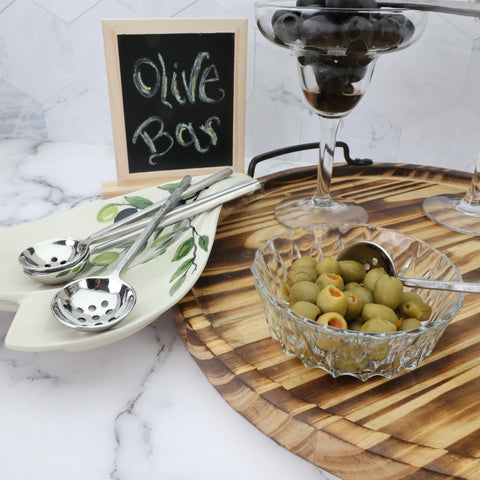
Elegant and welcoming table décor depends upon maintaining the cleanliness of your dining items. Although stainless steel utensils can last a lifetime, their improper storage may make them prone to scratching, abrasion, and dulling. Dumping all cutlery to a crowded drawer causes it to bump against other pieces too many times, resulting in a damaged surface finish.
By using elegant cutlery and robust dishware, one creates a lavish table environment. Organizing the correct way of storing the cutlery allows its owner to keep the integrity of the investment for years. If you are building your collection from scratch, start by exploring our complete flatware sets — each crafted from heavy-gauge 18/8 stainless steel designed to reward proper storage with a lifetime of showroom shine.
What Is the Best Way to Store Flatware?
The best way to store flatware depends on whether you are organizing daily-use items or preserving formal, heirloom pieces:
- Daily Storage: You must use a padded or felt-lined drawer organizer that has sections of various types of flatware.
- Long-term / Formal Storage: You can keep your silverware in a lined wooden flatware box or in cloth pouches designed to keep moisture away and keep surfaces from coming into contact with each other.
|
STORAGE METHOD |
PROTECTION LEVEL |
BEST FOR |
KEY ADVANTAGE |
|
Padded Drawer Organizers |
High |
Everyday flatware sets |
Keeps pieces separated, accessible, and organized |
|
Storage Chests / Felt Trays |
Maximum |
Premium heirloom collections |
Complete protection from air, moisture, and friction |
|
Individual Storage Pouches |
Maximum |
Long-term archival storage |
Soft tarnish-resistant fabric shields individual pieces |
|
Countertop Caddies & Blocks |
Moderate |
Daily-use casual utensils |
Convenient access near prep stations |
1. Padded Drawer Organizers for Everyday Sets
When it comes to cutlery that will be used on a daily basis, it is necessary to have an organizer with dividers. The best kind of organizer should be lined with soft felt, silicon or wood. Group the utensils according to the type, whether they are knives, regular forks, salad forks, soup spoons or coffee & tea spoons in order to prevent them from scratching against one another.
2. Wooden Storage Chests and Felt-Lined Trays
When it comes to high-quality sets intended for formal occasions, classic wood cutlery boxes provide the best protection. They are lined with felt or velvet material with anti-tarnish properties, which ensures that each cutlery is maintained securely. This method is especially important for our PVD collection, gold flatware, and copper flatware — whose advanced finish coatings benefit most from isolated, cushioned storage between uses.
3. Fabric Storage Roll-Ups and Pouches
In cases where drawer space is scarce, soft cotton or felt storage rolls are very effective. Separate sections hold each fork, spoon, and knife apart, preventing the metal from touching each during storage and transportation. This storage method is ideal for hand-forged collections like the Jason flatware and Twisted Urban, whose deeply textured handles benefit from the extra cushioning of a soft fabric roll.
How Can You Prevent Flatware From Getting Scratched?
Preventing scratches requires establishing a simple post-wash care and sorting routine:
- Make Sure Everything Is Complete Dry: Do not store utensils that have moisture in them. When the moisture collects in closed cabinets or drawers, it creates spots on the surface. Make sure to wipe every utensil with a piece of soft microfiber cloth until it becomes completely dry.
- Sort by Size and Type: Do not mix different types of utensils together, but use each compartment of a drawer organizer for only separate types of utensils.
- Avoid Overfilling: Do not pack too many utensils in the same compartment. If it is crammed, the utensils will rub against each other all the time when you pull out the drawer.
- Cover Drawers with Soft Materials: Use a piece of silicone mat to stabilize movements and absorb shocks at the bottom of your flatware drawer.
- Keep Them Away from Moisture Sources: Avoid putting flatware cabinets or drawers near sinks, dishwashers, or other damp places.
Should Stainless Steel Flatware Be Stored Separately?
Indeed, stainless steel utensils need to be kept away from other varieties of metals, like sterling silver, copper, or aluminum. Combining metals in damp surroundings can cause such problems as galvanic corrosion, discoloration, or surface abrasion.
When metals are stored separately their protective chromium oxide coating will remain intact, and thus the stainless steel flatware pieces will remain shiny.
Can Flatware Scratches Be Prevented With Drawer Organisers?
Correctly designed drawer organizers do indeed minimize scratches by keeping each fork, spoon, and knife within its own compartment. When used properly no item can slide or bump others when the drawer is opened and closed.
Good drawer organizers will maintain mirror polish finishes and fragile handiwork textures because they make it impossible for original daily utensils to swing. This is particularly important for collections like the Ridge flatware and Camellia flatware, whose polished tines and handles can show micro-scratches if stored loosely.
How Should Premium Flatware Be Stored Long Term?
To keep premium flatware in excellent condition over the years, it is imperative that all pieces are completely removed from any food residue. The flatware pieces must be sealed in felt rolls or in a plush-lined wooden storage chest. The chest must then be placed in a cabinet with controlled temperatures and low humidity, without the possible access of heat or moisture in its environment.
Why Choose INOX Artisans for Your Serveware?
As soon as you opt for handcrafted serving pieces and tableware from INOX Artisans, you can be at peace. High-quality materials, coupled with expert artisanship, make the cleaning of your tabletop collection simple.
- Heavy-Gauge Durability: INOX Artisans serveware is made of thick stainless steel which gives it unsurpassed durability against bending, twisting, and damage during intensive everyday use.
- Unique Hand-Hammered Textures: The original hand-hammered and antique finishes disperse ambient light over the table. The textured surface conceals minor scratches while showing off the craftsmanship.
- Non-Reactive & Food Safe: Due to the high amount of chromium in it, INOX tableware is completely non-reactive and safe for food. You can serve citrus salads, tomato sauces, and hot baked goods without any reaction or taste change.
Maintaining Long-Term Luster & Finish
A few quick care practices keep your flatware performing reliably alongside your durable dinnerware:
- Use Soft Microfiber Cloths: Avoid abrasive sponges, steel wool, or rough dish towels during cleaning and drying.
- Apply Mineral Oil Buffing: Buffing your stainless steel flatware with a single drop of food-grade mineral oil every few months helps preserve its protective barrier, restores shine, and repels fingerprints.
- Separate Metals in Storage: Keep stainless steel pieces isolated from silver-plated, copper, or aluminum utensils to prevent chemical reactions and galvanic corrosion.
Preserve Your Tabletop Investment with INOX Artisans
Taking a few intentional steps to store your flatware correctly ensures your table always looks polished and refined. Pairing a complete silverware set from INOX Flatware with your favorite durable dinnerware creates an enduring tabletop setup built for a lifetime of memorable dining. Explore our full collection of artisan-forged flatware and serveware to upgrade your home today.
FAQs
What is the best way to store flatware?
The best way to store flatware for daily use is inside a felt-lined or padded drawer organizer with dedicated compartments for each utensil type. For long-term or heirloom storage, keep pieces inside a lined wooden flatware chest or soft fabric roll-up pouches to prevent metal contact and shield against moisture.
How can you prevent flatware from getting scratched?
Prevent scratches by avoiding loose drawer storage where utensils scrape against each other. Wash pieces with soft sponges, dry them immediately with microfiber towels, and store items in padded slots or lined trays that cushion movement when drawers open and close.
Should stainless steel flatware be stored separately?
Yes. Stainless steel flatware should be stored separately from other metals, such as sterling silver, copper, or aluminum. Storing dissimilar metals together in humid environments can lead to galvanic corrosion, dark staining, and surface scuffs.
Can flatware scratches be prevented with drawer organisers?
Yes, high-quality drawer organizers significantly prevent scratches by keeping forks, spoons, and knives separated into individual compartments. Organizers prevent pieces from sliding around and colliding whenever the kitchen drawer is opened or closed.
How should premium flatware be stored long term?
Store premium flatware long term by ensuring every piece is completely clean and dry, then placing it in tarnish-resistant felt rolls or a plush-lined wooden storage chest. Store the chest in a temperature-controlled, low-humidity cabinet away from direct sunlight and moisture.