That lime green spatula looks great in photos, but when was the last time you actually used it? Stop buying kitchen tools "just because" and start building a kit that actually works and did you know that you can have a stunning kitchen without the unnecessary clutter or the high price tag. Here is the ultimate checklist of essentials every home cook needs to stop struggling and start searing.
Get the Proper Tools and Cook Better
Possessing the most important cooking tools in your cabinet will make your routine far more manageable. Although the culinary industry introduces sleek, trendy, and flashy kitchen devices constantly, that doesn't help you must buy every single item to prepare great food. Truly, the most straightforward tools are all you require to begin creating tasty dishes. To assist you in knowing which items to begin with, we produced a Kitchen Essentials Checklist. This guide explains the functions of 20 fundamental cooking tools and is ideal for beginner cooks or chefs on a tight budget and with these pieces, you’ll be prepared to cook nearly anything and start succeeding in the kitchen!
Cookware
NON-STICK FRYING PAN
Every home requires a non-stick skillet for breakfast tasks since omelets and pancakes perform best on a slick surface. It’s also a highly adaptable pan used for browning meats, wilting vegetables, and creating gravies. Just be cautious to utilize non-scratching tools on the coating! You will enjoy this and utilize it every day in your workspace. Purchasing a two-piece kit allows you to have two dimensions available and enables cooking two items simultaneously. While it requires more attention and upkeep, a cast iron pan is also a superb non-stick option to employ in the kitchen.
SAUCEPAN
A saucepan is ideal for when you must cook with fluids, such as simmering pasta and greens or reducing sauces and legumes and a 4-quart pot is easy to navigate and grip, and works well whether you’re prepping for 1 or 4 people.
STOCK POT
For larger quantities of broths, chili, and noodles, you’ll desire an 8 to 12-quart stock pot nearby. Its wide base permits uniform heating, so your stews simmer consistently.
SHEET PANS
These trays see a lot of use, including charring vegetables, roasting proteins, browning nuts, and naturally, baking desserts. They also provide a simple cleanup for one-pan dinners. To serve these oven-fresh roasted appetizers in style, we recommend using wooden trays with handles from Inox Artisans to transport them safely to the table.
GLASS BAKING DISH
Glass ovenware is perfect for roasting items like gratins and enchiladas in the heat. Because it’s microwave-compatible, an 8-inch version can fit inside a microwave for moments when you need to steam vegetables quickly or even to finish veggies when your burners are all full.
Utensils
KNIVES

If you’re preparing food, you’re going to utilize a blade. If you only have funds and room for one edge, purchase a chef’s knife. You will employ this tool for 90% of your ingredient prep, so buy a quality one and maintain it. However, we strongly suggest acquiring a serrated blade and a paring knife too since they fulfill different roles.
MEASURING SPOONS

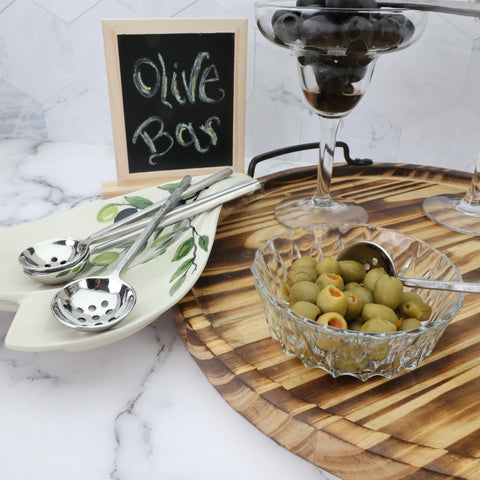
Even if you prefer to “guess” quantities, it’s useful to have a set of measuring tools around for moments when you require exact volumes. For serving your finished dishes, a set of table spoons from Inox Artisans adds a touch of handcrafted elegance to your display.
MEASURING CUPS
Measuring containers are absolutely vital if you’re a baker, but they are also great for routine cooking. We prefer to keep a 4-piece kit for gauging dry components and small portions of liquid.
WOODEN SPOONS
Wooden paddles are not abrasive on your cooking hardware and they’ll last a lifetime, just avoid putting them in the dishwashing machine! Select a set that contains a variety of timber spoons so you can utilize them for different styles of stirring.
FISH TURNER
While this useful tool is marketed as a fish flipper, it can be utilized for anything. The broader base of this instrument makes it simple to turn burgers, seafood, fried eggs, and even crepes.
PEELER
When you’re organizing your kitchen with the fundamentals, you want to ensure you have a sturdy, sharp peeler to discard the skins of produce, grate cheese, or create veggie curls.
WHISK
While forks and sticks can be helpful, a whisk is faster and more capable for blending ingredients like citrus and oil. We create dressings and marinades to flavor salads almost every evening, so a whisk is very practical!
TONGS
Tongs act like your reaching hands and are incredibly helpful in the gallery! Not only are they used to flip large food portions, but they also assist in moving items around in a pan without the danger of heat.
Dishes, Tools, and Gadgets
CUTTING BOARD
A solid, non-slip chopping block will safeguard your hands during all your prep tasks and we suggest owning several boards to prepare different ingredients and avoid cross-contamination.
COLANDER
Every kitchen needs a sturdy strainer for rinsing boiled pasta and greens. It is also utilized for draining canned legumes and freshly rinsed produce while for a sophisticated presentation of washed fruits or chilled snacks, placing them on a marble tray creates a stunning centerpiece.
PREP BOWLS IN EVERY SIZE
Every kitchen requires a set of staging bowls to help you arrange all your components. If you buy nesting prep bowls, you’ll save significant space and have the benefit of lids that can seal off items not yet ready for the heat.
CAN OPENER
A manual opener is something you should not overlook! Canned beans and produce make for fast cooking and are excellent pantry staples, but many items come in tins that necessitate an opener.
MICROPLANE ZESTER
This might not seem like a vital tool for a basic kitchen, but it makes a massive difference when you’re trying to boost the flavor in your food. A zester is utilized for grating citrus skins and shredding ginger or hard cheeses.
IMMERSION / STICK BLENDER
Forget the heaviness of a standing blender! You can now create smooth soups right in their vessel, whip up single-serving shakes, and achieve extra velvety dressings. Because of its design, even the cleanup is simple. After preparing your dip or spread, you can present it elegantly on wooden trays with handle for your guests.
SALAD SPINNER
A strainer might be enough for drying greens, but a salad spinner is much more effective. Dressings have a hard time sticking to lettuce that remains damp and a spinner is the solution to your troubles because it helps you eliminate moisture in seconds.
With these items, you’ll be able to cook just about anything and start winning in the kitchen!
For high-quality serving solutions, consider adding wooden trays with handle to your collection to bridge the gap between cooking and hosting.

Frequently Asked Questions
Q1: For the beginner, what is the most important knife?
The chef’s knife is, in fact, the most important tool, because it tackles just about all of your chopping and slicing duties with ease. A single good quality knife is worth investing in, versus handing over your money to a budget set that will go blunt immediately.
Q2: What’s the best way to care for wooden kitchen tools?
To maintain your wood tools for years to come, always wash them by hand using a gentle soap and please do not put them in the dishwasher, as heat and steam will cause the wood to crack apart.
Q3: Are metal utensils ok to use on non-stick pans?
You should never use metal tools on your non-stick pans, as they will scratch the delicate surface but instead, as a rule you should always use silicone or wooden spoons to keep your favorite frying pans for a long time.
Q4: Why would I want to use a salad spinner instead of a colander?
A salad spinner is way better than a colander at this, because it spins leaves quickly enough to take every drop of water off them because this helps your dressing adhere properly to the lettuce so that your salad doesn’t taste watery or soggy.
Q5: What are the advantages of a cast iron skillet?
Cast iron is great because it retains heat well and can move from a stovetop onto the hot oven. It also develops a natural surface over time, and if you take care of it, food doesn’t stick to it.