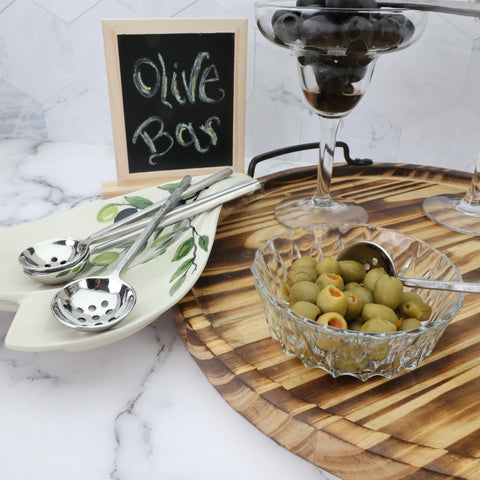
Charcuterie boards for all occasions have been everywhere and why not – charcuterie is easy and fun to offer a variety of cheese, meats, apps noshes! The fine pattern adds a beautifully subtle effect to each set. But they require upkeep in order to stay looking good and swinging free.
Why Is Proper Care Crucial?
Durable and High Performance: Your board will deliver years of high performance use with minimum care.
Sanitation: Proper sanitation will prohibit the build-up of bacteria, and an environment in which to process food safely.
The bottom line is: Even if you clean and sanitize this personalized cutting board the right way (don’t forget to be diligent with ongoing care!
From cleaning to seasoning, here are customized care instructions for your charcuterie board.
Here you will find tips on how to deep clean and how to maintain the beauty of your board:
Recognize The Difference: Charcuterie Boards Vs Cutting Boards
Take a charcuterie board and compare it to, say, a cutting board — certain aspects will stand out. A meat and cheese board is built for display, serving as the top to your slicing and dicing; it should look fabulous but be heavy-duty wood that’s all ornamenteed-up with engraving or personalized bling. There are assorted cheeses, meats (NOT an entire hog!), fruits or appetizers - that are sure to make every party a hit.
How to Sanitize Your Board For a Cleaner Noshing Experience

Sanitizing Your Personalized Charcuterie Board Wood to keep it secure, you need to sanitize it adequately. Here are some effective methods to sanitize wooden surfaces -
Bleach Wash - The board can be sanitized with a dilute bleach solution (one permanent of unscented liquid chlorine bleach in one gallon of water). You can wipe it with a cloth or sponge, let it sit for a few minutes and then rinse well with water.
Vinegar - Vinegar is another good option because it is safe, natural and non-toxic. Simply spray white vinegar directly on the board, allow it to sit for five minutes and then wipe away with a damp cloth.
How often you can clean it will vary according to how much you use it, every 2-4 hours.
All claims applicable for cryogenic and hot temperatures Uniform heat distribution.
After Every Use:After each & every use, & especially after you have had contact.
Weekly Schedule: It should have a weekly routine for washing the board out, whether it’s used daily or not.
Cleans up the same as when you first started using this board, allowing you to continue using it for cutting food, serving meals, and displaying as a decoration in your kitchen.
Prolonging the Beauty of Your board - Oilling and Conditioning

Oiling your charcuterie board wood is crucial for the longevity of the wood to not split as it will be a gorgeous must see on your table. The right oils will penetrate the wood fibers, saturate them and become a resilient coating which will prevent moisture from penetrating, mold and mildew.
Recommended Oils:
Food-grade mineral oil: One of the best oils to use on your cutting board, as it is non-toxic and offers superb absorption.
Beeswax: When mixed with mineral oil, beeswax acts as a protectant and your board surface will be left feeling smooth.
Application Frequency:
For new board: Condition your brand new charcuterie board once daily for the first week by using spoonful of coconut oil as you would any other wood conditioner.
Routine Maintenance: Oil or condition your board when it starts to look dull (about once a month).
To apply:
- Wipe a board clean and let dry thoroughly.
- Apply a bit of oil to clean rag.
- Rub the oil all over the wood (in a circular motion, as always).
- Keep it out overnight and all will be wet.
- Use a dry cloth to wipe off excess oil.
Follow these steps to maintain your charcuterie board in working or fashionable condition while remaining ever ready to stun at any party.
How to Store and Take Care of Your Charcuterie Board
To ensure you can continue to enjoy your custom cutting board at its best, make sure that it’s also stored properly. Here is the proper way to store wooden boards:
Dry: Store your charcuterie board in a dry place, at all times. A range of conditions — including warping, cracking and mold — can occur when there’s moisture.
Do Not Place In Sunlight: It can discolor or warp in the sun. Position your board in a shady place.
Tempering temperatures: Extremes in temperature destroy art to wood. Store your board in an Air Stability box climate controlled environment.
Store it vertically: If you have space, don’t store your board flat on its back — moisture will pool up beneath the board.
Opt for Protective Covers: Wooden cutting boards can be protected with use of breathable covers or bags designed specifically for them to prevent them from being in contact with dust and other elements.
Store with these tips, and you’ll enjoy the engraved cutting board’s beauty as well as use for years.
When to Sand and Oil your Cutting Board
How to address knife marks in your custom charcuterie board. The right sanding techniques can actually result in shallow knife marks and stains disappearing.
Sanding Techniques:
- And, take your 220-320 grain sandpaper and give the damaged area a quick gentle going over.
- SAND WITH THE WOOD GRAIN Squeeze with the grain to prevent scratching.
- Begin with a larger, brazed profile for more aggressive cuts and profiling, and then switch to a smaller or braze-free profile for final passes.
Re-Oiling After Repairs:
- Once you’ve finished sanding, wipe down the board with a damp cloth to get rid of any sawdust.
- Now you let that dry thoroughly before applying the second coating of oil.
Treat the wood with a food-grade mineral oil or beeswax to nourish and shine.
Cared for with ordinary use, and normal wear-and-tear, our engraved charcuterie board will last a lifetime as your favorite centerpiece for every occasion!
DOs and DON’Ts for cleaning a charcuterie board
Maintaining your custom charcuterie board means knowing what those things are that will ruin the aesthetics — and safety — of it. A smelly cutting board is grotty to use, even if it’s only been washed, and is still one of the most colossal don’ts.
Vegetable or olive oil can turn rancid, lacking its original crispness and picking up dirty smells and tastes that could conceivably transfer onto your food. It ruins the pleasure of meal and is hazardous for health.
That’s the good news, and here’s the bad: It will crack, split, warp or simply fall apart if you don’t take care of it. To prevent those problems from happening, you’ll want to condition your board with food-grade mineral oil or a formula that includes mineral oil and beeswax. They’ll keep indefinitely, and your preserves will be better without trading on the board.
Steer clear of these poor decisions and your board will look fantastic — and remain useful for decades.
Seasonal Board Maintenance For Your Custom Charcuterie Board
Seasonal Variations in Care Needs
We’ve dedicated a separate section below to detailed care recommendations, but here’s the gist: Your one-of-a-kind board will require regular TLC throughout the year due to fluctuations in temperature and humidity. This transition in temperature and humidity tends to make the wood of your guitar shrink – warp, get cracks or mold.
Winter Care: In the cooler parts of the year that indoor heating will suck the life out of your board. To counter this, oil the hairs more frequently to prevent them from becoming dry.
Summer Attention: The wood may expand at a high temperature and humidity just like the tree absorb water. Store your board in a clean, dry place and do not oil it as often to prevent over-saturation.
Spring and Autumn: The second stage of the four seasons, both are dry in terms of humidity. Adjust care practices according to the MDF behavior, keep an eye on your board to check if it is too dry or over-soaked.
How to Season (and Re-Season) Your Custom Cutting Boards All Year Long
Here are a few simple things to get better at when it comes to seasoning your charcuterie board.
- Wash it in: It is always important to wash your board by mild soap and water, that way you should allow it dry out totally.
- Oil It Up: Food grade mineral oil or beeswax conditioner. Liberally spread outlandishly thick all over the board.
- Rub In: Rub the oil with a soft cloth, opt to do this in a circular motion so that all sides are well covered.
- Soak Time: The oil will soak into the cloth and leather, so you should let it sit at least an hour. An hour or more is ideal; overnight if possible.
- Wipe: Wipe away any remaining oil with a dry, clean cloth.
Frequency of Seasoning:
- Winter: Every 2-3 weeks
- Summer: Monthly
- Spring/Fall: Every 4-6 weeks
Your custom charcruteire board will remain the king of each seasonal celebration with proper care for every season of the year.
Frequently Asked Questions (FAQs)
Q1. What is the best oil to use for an Inox Artisans charcuterie board wood?
Always use food-grade mineral oil. It is non-toxic and odor free, unlike vegetable or olive oil.
Q2. How frequently should I season my charcuterie board?
Once a day for the first week on new boards. For maintenance, once a month or as needed when wood appears to be dry. Seasoning managers also vary seasonally (more in winter).
Q3. Can I put my wood-and-marble board in the dishwasher?
No. The high heat and moisture of a dishwasher will warp the wood and potentially crack or detach the marble. Hand wash only with mild soap.
Q4. How can I get deep knife cuts out of the wood?
You may lightly sand the spot with 220-320 grit sandpaper (always go in the direction of the wood grain). Oil the board again right after sanding.
Q5. Are charcuterie boards with handles easier to care for?
It requires the maintenance of all wood boards, but the paddle handles (notably on the Inox Artisan Mez Round Paddle) made for particularly easy hanging for vertical storage to reduce moisture build-up.